How to Drive in Iceland

Be safe in Iceland

Foreign tourists who drive around Iceland often find themselves in conditions that they are
not used to. Therefore, it is important to realise what can be expected and how to handle
these conditions – how to drive in Iceland.

Beautiful scenery

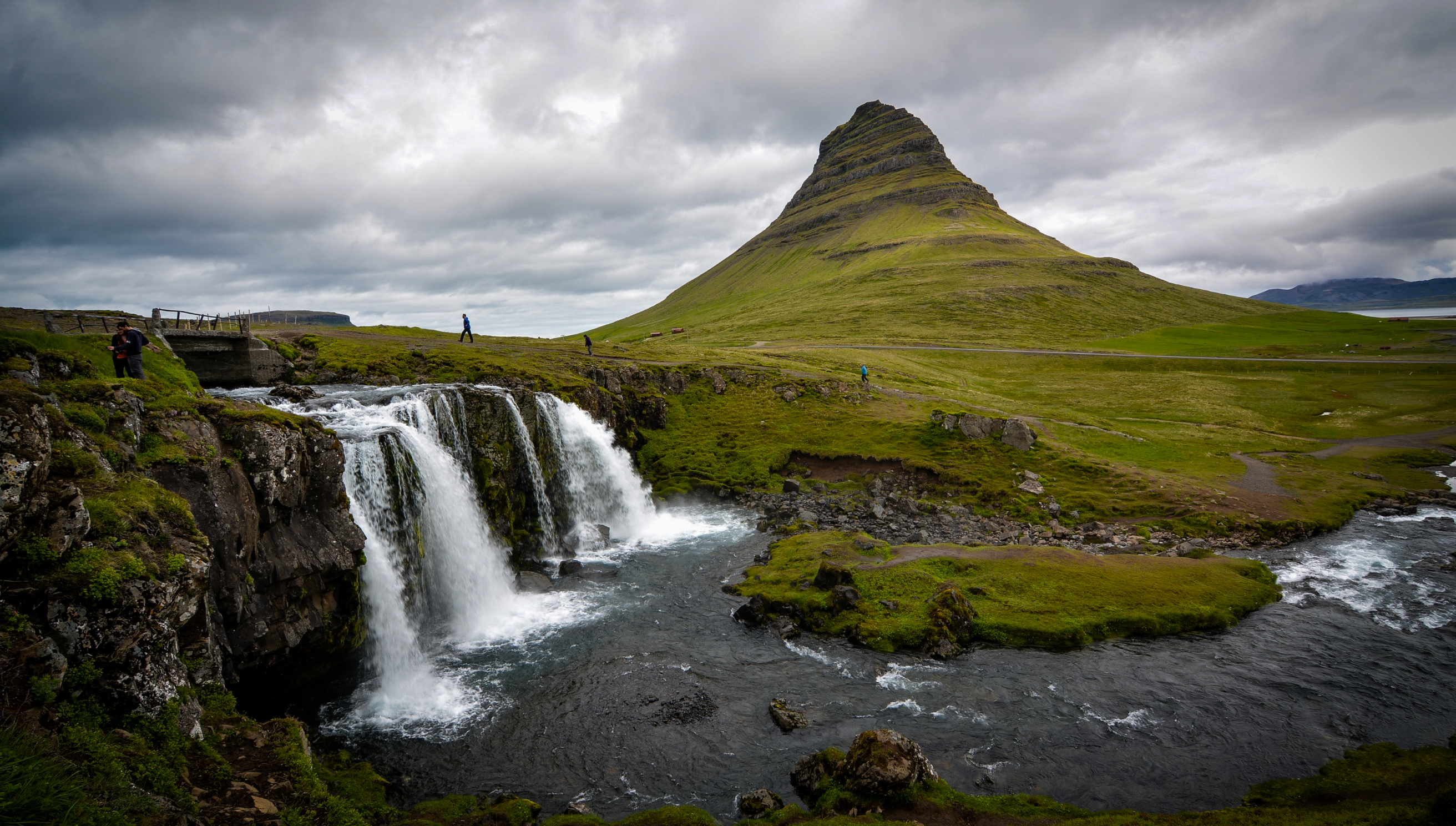
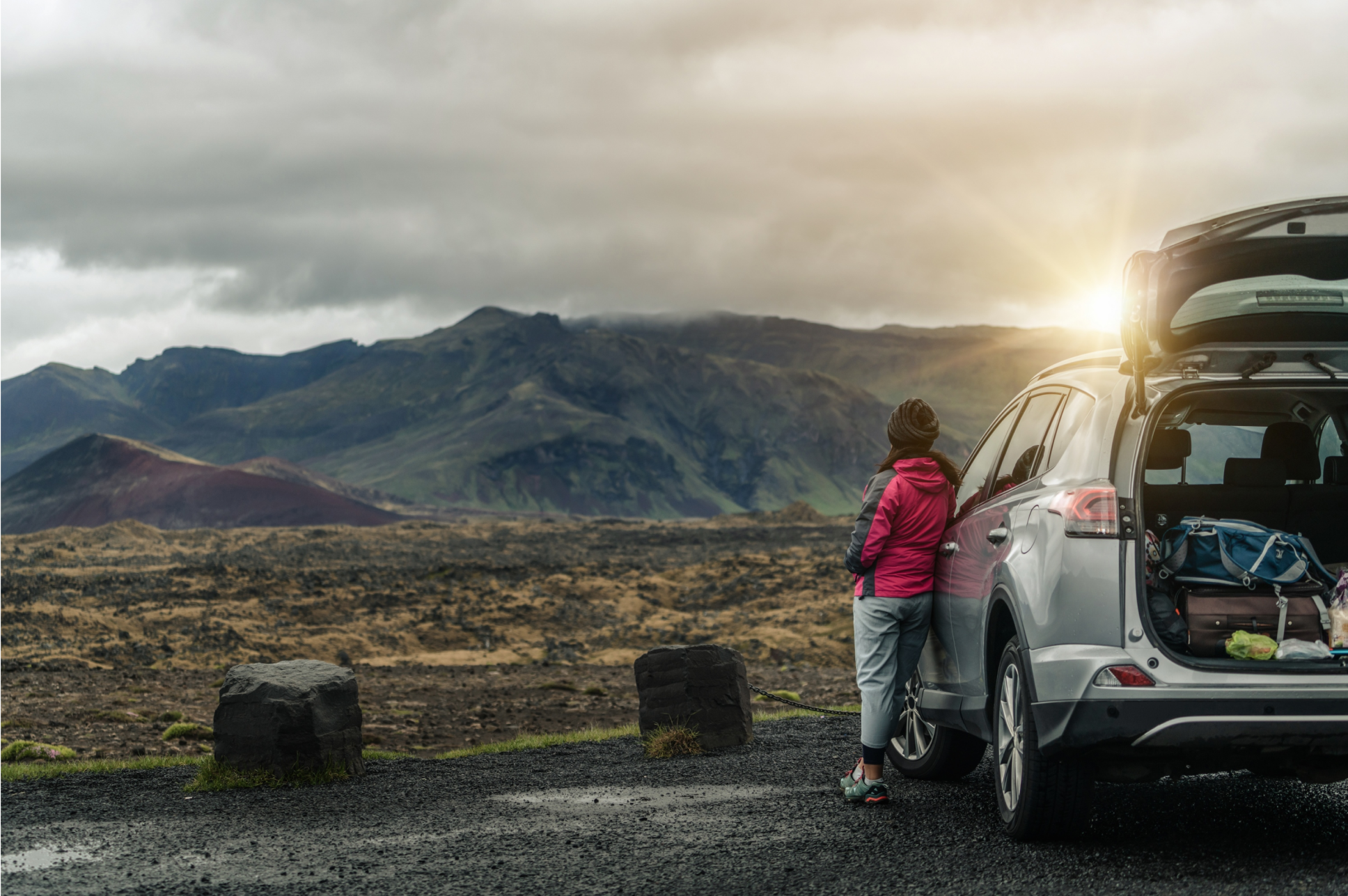
The landscape in Iceland is beautiful and can draw the driver‘s attention away from the road. It is important to stay focused while driving. If you want to admire the landscape and take pictures, find a safe spot to stop the car outside of the road and enjoy the scenery.

Weather and road condition

Drive in accordance with the condition. Look up the weather and road condition at Travel conditions – Safetravel

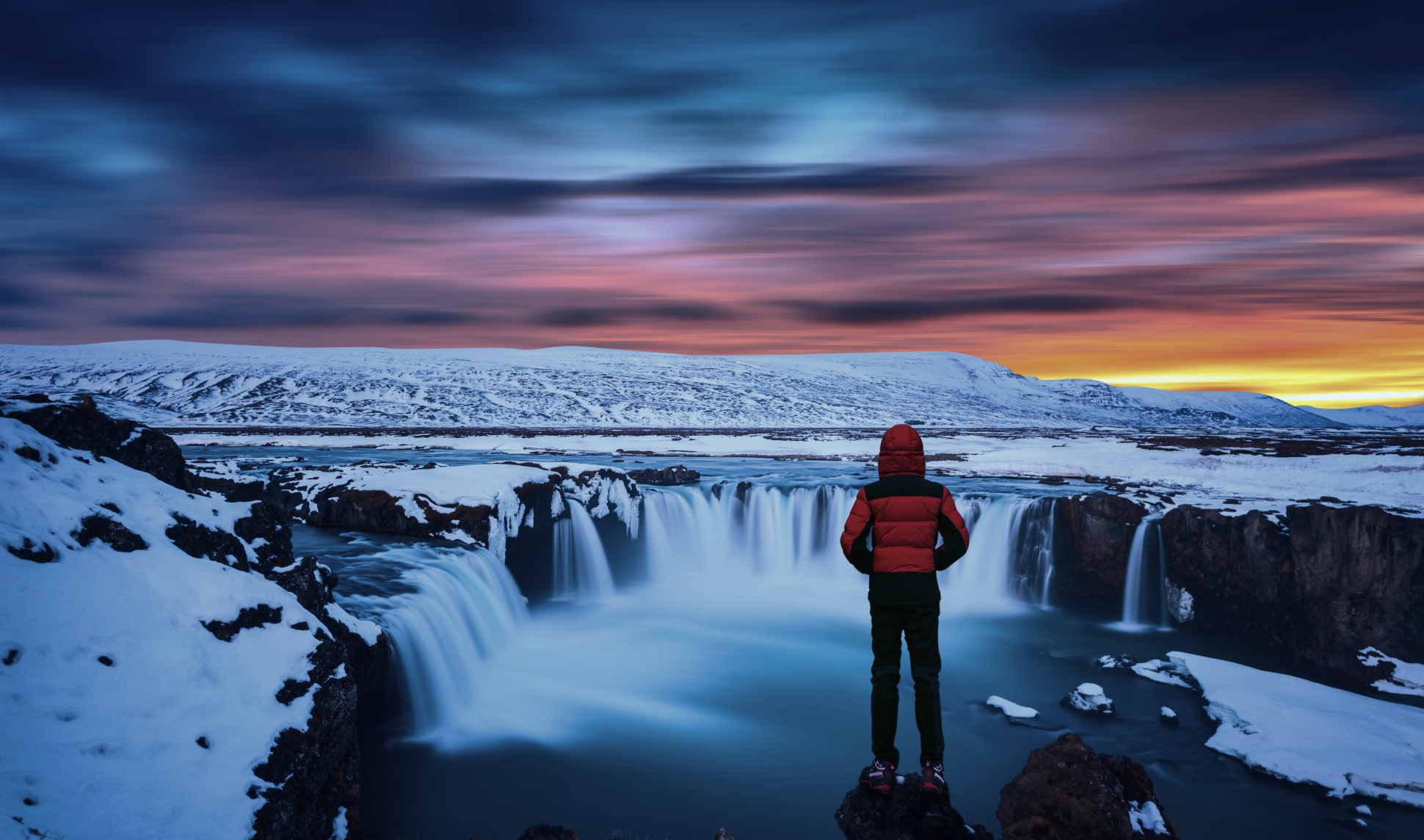
Winter condition can occur in spring, autumn as well as winter. Driving on ice roads can be very challenging. It is best to avoid such situations if possible. Make sure to choose your speed accordance with what you can handle.

Gravel roads

There are many gravel roads in Iceland, especially in rural areas away from the Ring Road. It is especially important to slow down before switching from paved roads on to gravel as the tires can lose grip and if you drive too fast you can easily lose control of the car.

Single lane bridges

There are many single lane bridges in Iceland, both on and off the Ring Road. The speed limit across them is 50 km/h so please slow down in time.The rule is that the car closer to the bridge has the right of way but it is wise to slow down and assess the situation, see what the other driver intends to do, before driving across.

Risk of falling asleep at the wheel

When you come to Iceland, you may feel jet lagged, drowsy or fatigued, especially after an overnight flight from America. It’s important to be well rested before getting behind the wheel. Consider getting a room at a hotel near the airport and rest for a few hours in the morning for a discount price. Check out Nap&Go for more information.

Livestock on the roads

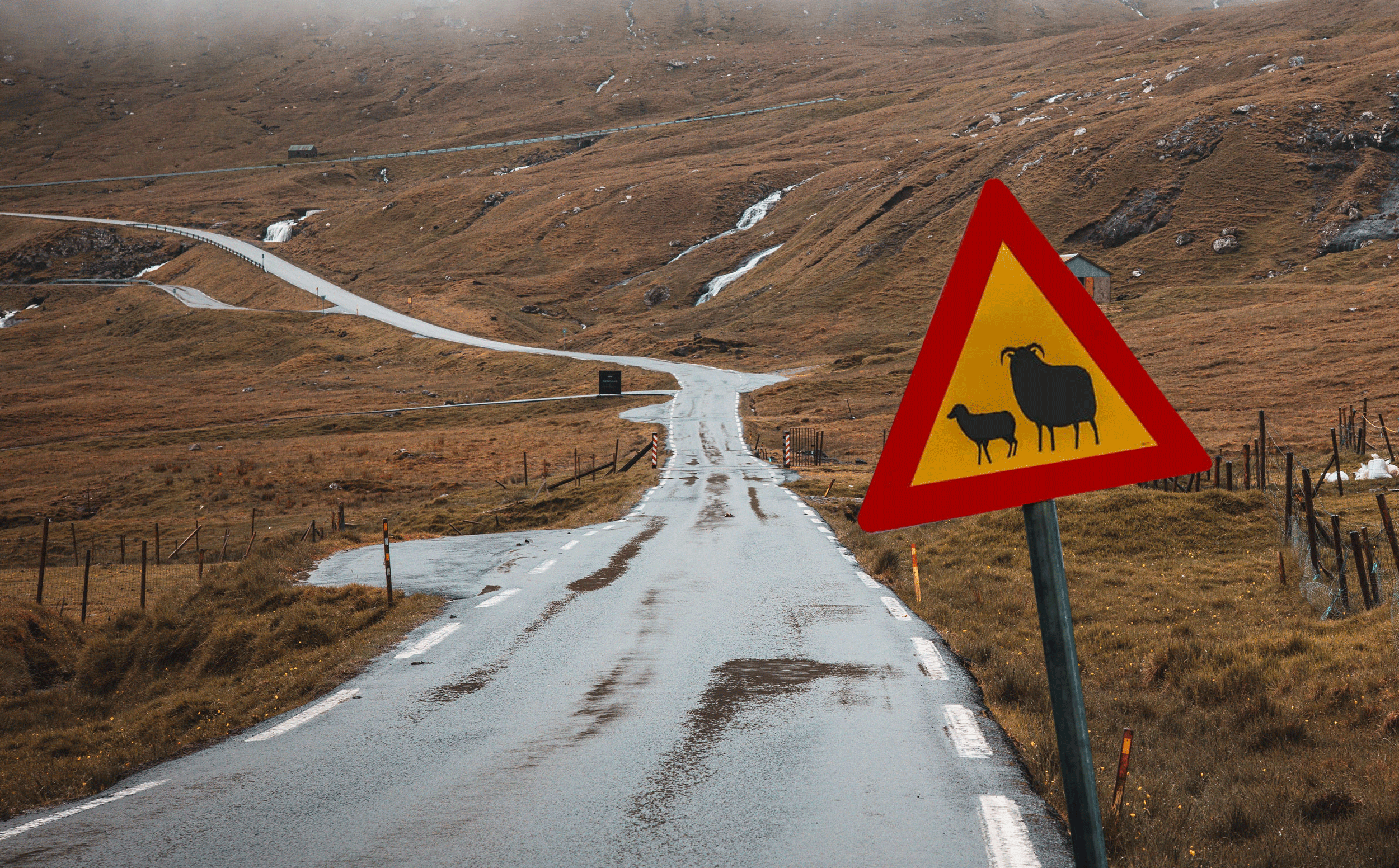
In Iceland you can expect livestock on or by the road. These are usually sheep but you might also encounter horses or cows. When you see a lamb on one side of the road and another sheep on the other side, drive very carefully as it is likely that the lamb will run to its mother or the other way around when cars approach.

Roundabouts

There are quite a few roundabouts in Iceland. Note that the inner lane has the right of way when exiting the roundabout so the outer lane has to give way.

Few more things

  • The speed limit is 50 km/h in urban areas, 80 km/h on rural gravel roads and 90 km/h on rural paved roads, unless road signs state differently.
  • Drivers and all passengers must wear a seatbelt, no matter where they are seated.
  • Children under 135 cm must use a car seat fitting their age, height and weight.
  • The BAC limit in Iceland is 0,2‰ which means you can‘t drive, even after one alcoholic drink
  • While Google Maps and other maps can be helpful in navigating, it is important to remember that they may not always accurately reflect closed or impassable roads. It is recommended to use caution and not rely solely on these tools.
  • The weather and road conditions in Iceland are different from you’re used to and can change fast. We recommend to use our app to get all the latest information and alerts.
  • Headlights and taillights must be turned on at all times, all year round. Auto-setting might not be enough.